
I have a shopping addiction. Or, I used to. Not one of the ones where I’m secretly in extreme credit card debt, but certainly one of the ones where I utilize impulsive purchases and the presence of small packages on the front door to give me a dopamine boost. Wandering the isles at Ulta or Sephora to find another face mask that just might be the one or snagging a new top from Target because “Why not? It’s just a little $20 treat?”
The addiction’s never been a significant problem. The hits are small and I’m fortunate to have the disposable income available. But it bothers me. One shouldn’t be bound to material things to satisfy longing. Or at least, that’s the philosophy I’d like to adopt about it. That and to not perpetuate needless waste.
Though not truly a New Year’s resolution, I’m formulating a plan to stop this bad habit. What’s a girl to do but use this as an opportunity to contemplate the nature of desire?
Dopamine & Desire
The word ‘desire’ in English language smacks of sexual connotation. We think of desire when we think of lust and romance. But desire isn’t bound to feelings of love. Desire is all about the feeling of “wanting”.
Last year, I read “Dopamine Nation” by Anne Lemberg as well as Simon Sinek’s “Leaders Eat Last”. Both books discuss the nature of desire as it relates to chemical reward pathways. Dopamine pathways built when we lived in a world of scarcity to drive us towards obtaining things we needed to survive, namely food and shelter.
The world we live today is no longer one of scarcity, but one of abundance, Lembke argues. No longer must we wander the Sahara or tundra to survive. Instead, we’re rats in the cage where it’s all too easy to push a button and earn a reward. We’re drowning, in health, in debt, in happiness, from our inability to regulate easily fulfilled desires.
If our world is one of desire fulfillment and our bodies are programmed to seek it, can we ever escape it?
Hygge & Happiness
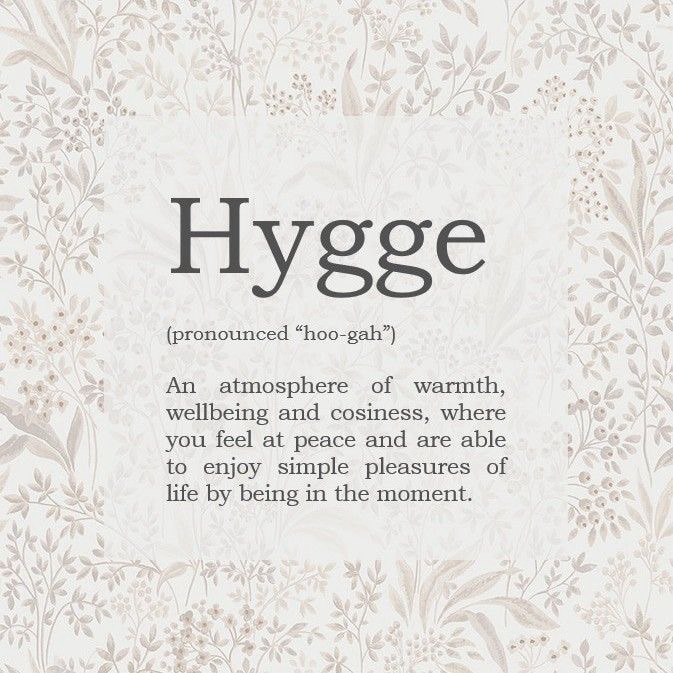
The strategy I’m looking to employ is hygge. From its owners, hygge is a concept that escapes definition, but the one I’m looking to implement, straight from the Little Book of Hygge itself, is “taking pleasure from the presence of soothing things.”
Yes, yes, I recognize the problematic potential of the “things’ aspect. I am making a point in endeavor to appreciate those things I already have rather than pursue new things (though to be fair, before I put the moratorium on new purchases, I did add a very cozy, beautiful blanket to the list).
Why this strategy might just work is the competing chemical pathway it offers. Coziness creates intimacy which creates an oxytocin release. Similar to dopamine, oxytocin plays a role in the reward pathway creating positive sensations throughout the body. But whereas dopamine is all about short term hits, oxytocin is about longevity. When we fall in love, we’re running on dopamine. When we stay in love, we’re working with oxytocin.
And so, hopefully this year I can make the switch. Rewire the paths so that instead of longing for the new, I take comfort in the familiar. Anytime I get the desire for whatever I saw on Instagram, sit and enjoy my cup of tea or bodycare that’s already in the cabinet instead. It’s worth a shot.
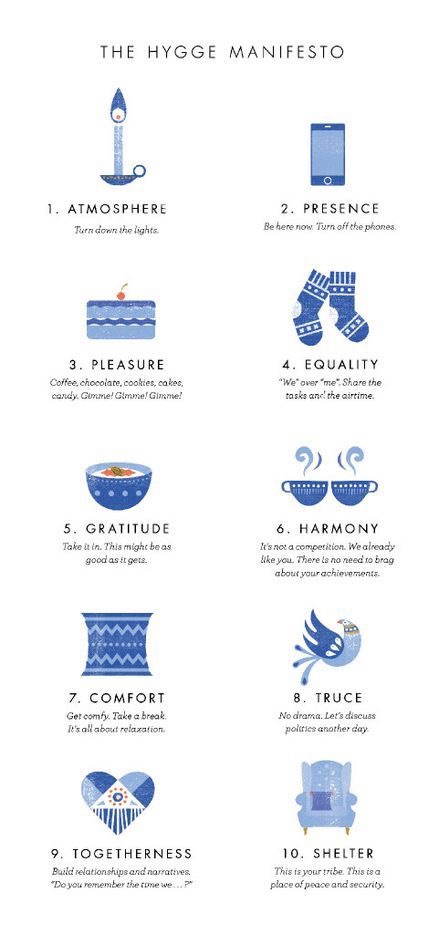
For a starter pack on Hygge, see the guide below from the Little Book of Hygge
 The Chemistress